Top 8 Cybersecurity Trends to Watch in 2027
Most of the cyberattacks we are expecting to happen in 2027 won't be smart only; they'll be fast and not easy to detect early. Attackers are using different strategies to conduct cyberattacks with emerging technologies.
Microsoft's 2026 Digital Defense Report backs that up, which says nearly 40,000 security vulnerabilities were disclosed in the first half of 2026 alone, and the full-year (2026) total is on track to be doubled. Its findings on AI in cybersecurity hit harder, though AI is now expected to cut the attack chain from days to seconds. This is shocking and stressful for many organizations' security teams. Let's take a closer look at the latest cybersecurity trend that might become hype in 2027 and beyond.
What are the 8 Top Cybersecurity Trends to Know in 2027?
Uncover the cybersecurity trends you must know before 2027, curated below to help you understand what’s changing in the field in the upcoming year and how you should deal with smart cyber threats in the future.
1. AI and Machine Learning Accelerated Cyberattacks
AI is at the top of the list of trends. Cyber criminals are leveraging AI to carry out their intentional cyberattacks on targets, and the National Cyber Security Centre report predicted that the proliferation of AI-enabled cyber tools will most likely increase direct access to AI-enabled intrusion capabilities for an expanded range of state and non-state actors. This is a serious issue that needs a solid solution to address.
2. AI Agents Become Your Riskiest New Hires
Next up is AI agents, which are basically interns with admin rights. That's not a big deal until one has more access than it needs or reads a web page or any important information with hidden instructions and follows them.
The easiest way to deal with this is to treat agents like any privileged identity: inventory them, scope their permissions, log their activity, and require human sign-off for sensitive actions
3. Prompt Injection Becomes the New SQL Injection
It is important to know that every AI system you integrate into your business is a new attack surface for cyberattacks. With direct and indirect prompt injections, software vulnerabilities can turn any AI tool into a doorway to wider systems. That's the reason AI governance today is no longer an option; it is mandatory. Treat anything a model reads as untrusted input, and red-team AI features before launching (it's better to be careful than to regret it later).
4. Quantum Threat Starts Now, Don’t Wait for Q-Day
Yes, it is true: No quantum computer can break today's encryption yet, but that does not make this threat distant. Under "harvest now, decrypt later", attackers steal encrypted data today and wait for the hardware to catch up. Therefore, becoming prepared to fight against quantum threats should be treated as a priority, not a distant threat, because with emerging technologies, attackers are becoming stronger.
5. Tool Poisoning: Hidden Threat to AI Agents
Today, many organizations are integrating AI agents into their business workflows; these AI agents connect to important workplace tools like GitHub, Slack, and databases (back ends) through MCP. Almost all tools have a policy that we ignore many times; that is, the AI reads it before using it.
Cyber criminals can hide instructions in that tool description (most people ignore it today), and the AI may follow them without the user ever noticing. Hence, it is critical to read those policies before integrating any tools into the business workflow. Want to gain more clarity on which emerging cybersecurity technologies will matter most in 2027? Keep reading to gain a better understanding.
6. AI Browsers That Take Orders from Web Pages
AI-powered/agentic browsers cannot certainly tell the difference between your typing instructions and text written on a webpage. Due to this, a malicious webpage can embed secret instructions using various tactics (e.g., hidden text, white-on-white fonts, and code comments). This can directly trick the AI into following the page instead of your original instructions.
7. Vibe Coding: AI Writes the Code, Nobody Checks It
Recently, we created an application via vibe coding. We were highly impressed by the evolution of digital technologies because, with the help of advanced technologies like vibe coding, even a non-programmer/non-technical individual can develop software. The process was good enough to feel confident about the product we developed. We provided prompts and the required documents to develop that application, and within a few minutes it generated the application. The application looked perfect from the frontend, but the code had security holes. The process was good enough to feel confident about the product we developed. We technology, but treating it as a shortcut is the actual problem. Therefore, we should treat AI code like code from a stranger: scan it, review it, and never ship it blindly.
8. Hack One App, Reach Many Companies
It might shock you that almost 760 companies were attacked by this single attack from just one application, and the attackers claimed 1.5 billion Salesforce records. Google's threat team informed every customer to treat their connected keys as stolen. That's
If you want to build strong cybersecurity skills, keep exploring top technology certifications in 2027 for career and salary boost. This way, you can keep upskilling and leveling up in your career while keeping pace with cybersecurity trends in 2027.
Wrap Up
We have talked about the major cybersecurity trends in 2027 above. Get prepared for the smartest cybersecurity era, where cyberattacks are faster, not easy to detect, and dangerous for giant companies.
Therefore, it is crucial to collect the know-how on these latest cybersecurity trends. For more such important latest insights on cybersecurity, keep checking our recent cybersecurity blogs and insights!
Frequently Asked Questions
- How to build a cybersecurity career as a beginner?
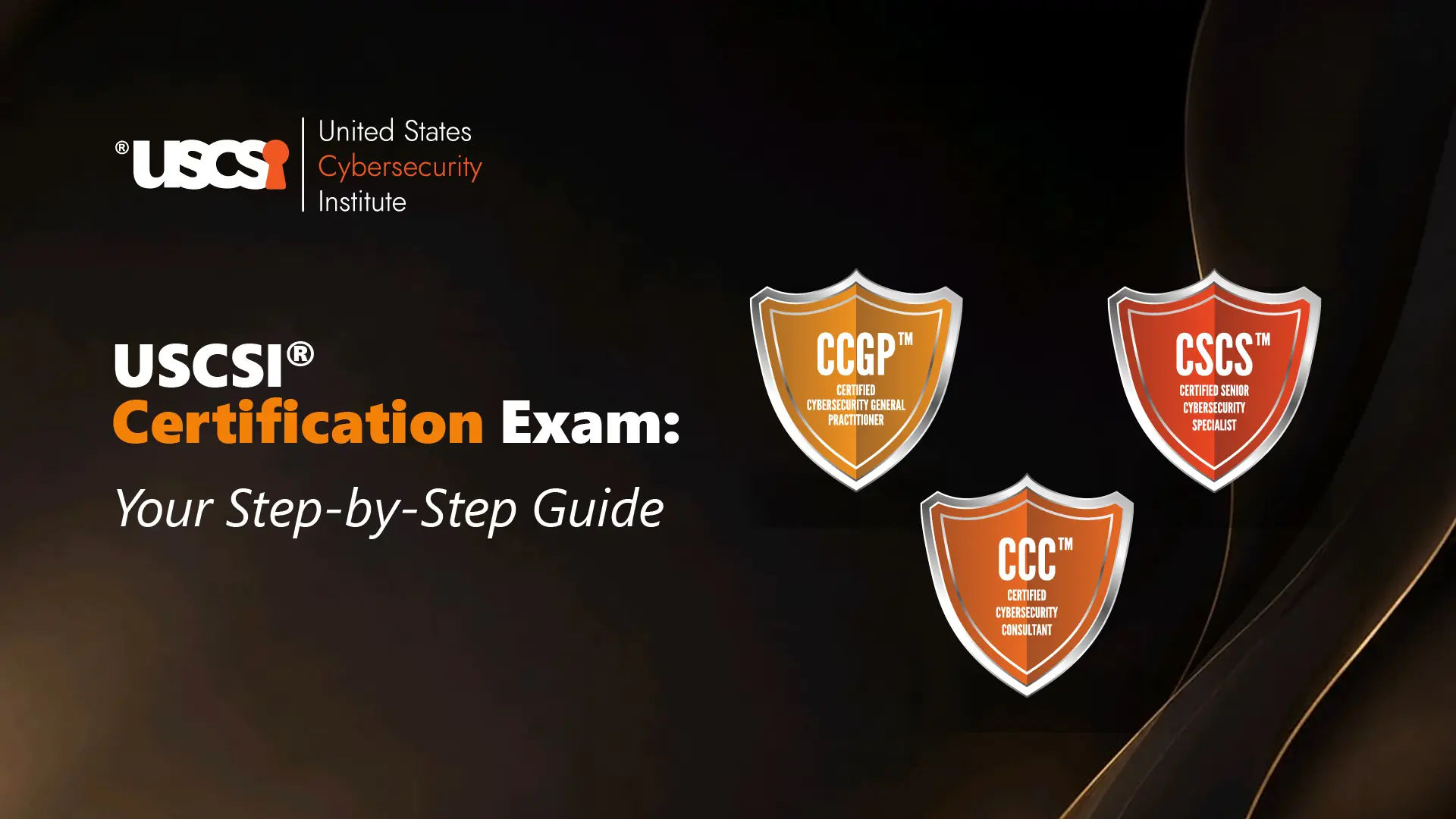
If you are new to cybersecurity and want to build a strong foundation in the field, then USCSI® CCGP™ (Certified Cybersecurity General Practitioner) cybersecurity certification is the right course for you. It is self-paced and vendor-neutral, which can help you build the right skills to enter the field.
- What are the best cybersecurity certifications for experienced cybersecurity professionals?
United States Cybersecurity Institute (USCSI®) offers two globally recognized cybersecurity certifications: Certified Cybersecurity Consultant (CCC™) and Certified Senior Cybersecurity Specialist (CSCS™) for experienced professionals that can level up your job profile to security consultant and cybersecurity specialist.