Cloud Security vs Digital Forensics vs Incident Response: Which Career Is Worth Pursuing in 2026?
Cybersecurity careers are not interchangeable. Cloud security, digital forensics, and incident response each address a different phase of the security lifecycle, attract different professionals, and lead to different long-term trajectories. According to Fortinet's 2026 Cloud Security Report, 74% of organizations report an active shortage of qualified cybersecurity professionals, making all three specializations strong entry points for professionals ready to commit to a direction.
This blog breaks down what each path involves, what it pays in 2026, and how to decide which one fits where you want to take your cybersecurity career.
Cloud Security: Roles, Skills, and Salary
Cloud security has moved from a niche specialization to a core enterprise function. With 88% of organizations now running hybrid or multi-cloud environments, according to Fortinet's 2026 Cloud Security Report, protecting cloud infrastructure has become one of the most consistently staffed disciplines in enterprise security.
What does the role involves?
Cloud security professionals protect data, applications, and infrastructure deployed across cloud providers. Day-to-day work spans identity and access management, cloud configuration auditing, threat detection across cloud environments, and compliance with frameworks including SOC 2, GDPR, and HIPAA.
Key skills
- Cloud platform expertise across AWS, Azure, and GCP
- Identity and access management and zero-trust architecture
- Cloud Security Posture Management (CSPM) tools
- Container and Kubernetes security
- Compliance and governance frameworks
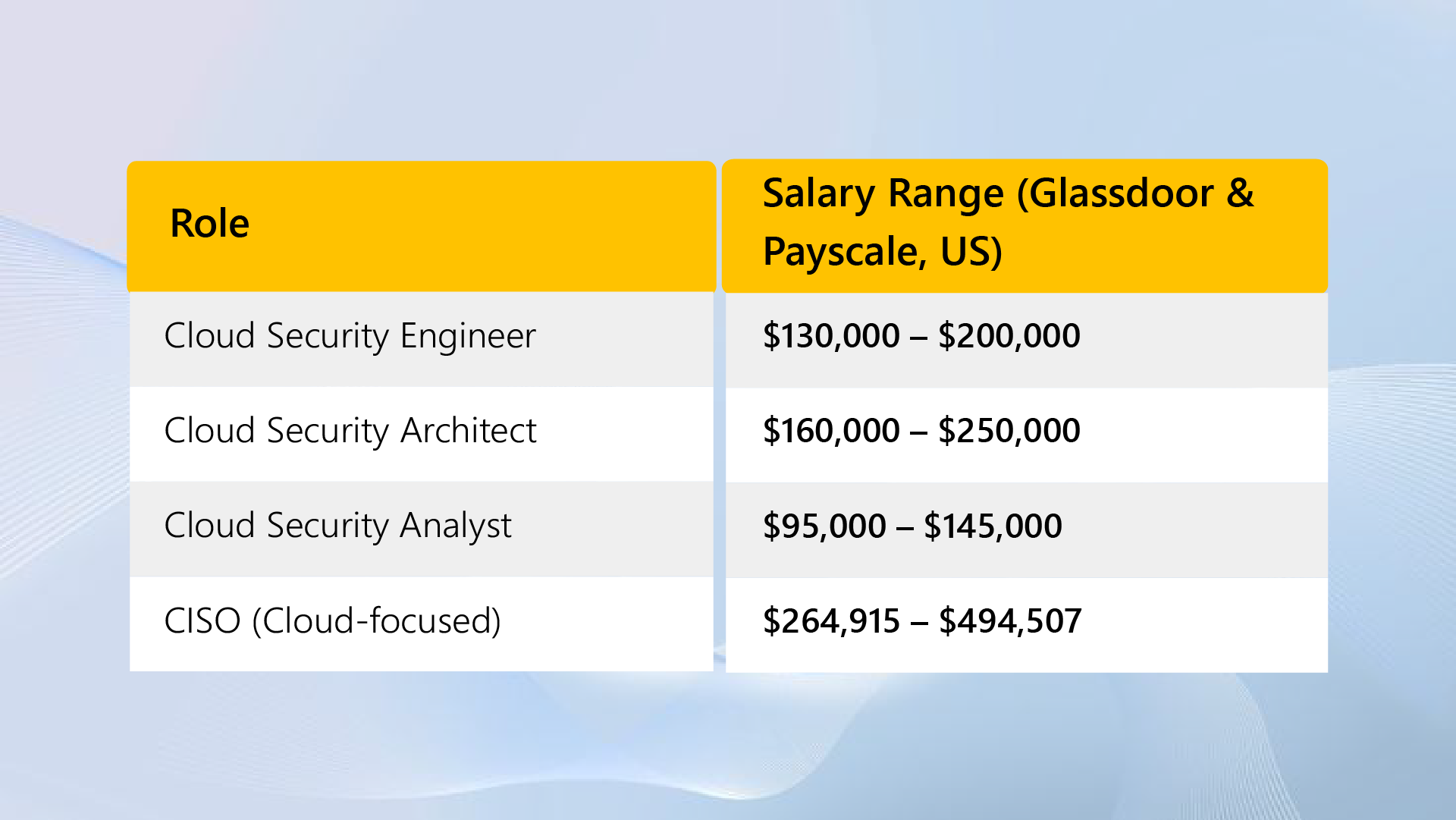
Cloud Security Career Roles and Salaries
Digital Forensics: Roles, Skills, and Salary
Digital forensics professionals investigate security incidents after they occur, recovering data, tracing attacker activity, and preserving evidence for legal and regulatory purposes.
Third-party supply chain breaches jumped 60% to account for 48% of total breaches in 2026, according to the Verizon DBIR, expanding the forensic investigation workload across enterprise, legal, and insurance teams.
For professionals with investigative instincts and a preference for analytical over reactive work, it is one of the strongest career choices in cybersecurity right now.
What does the role involve?
Forensic analysts reconstruct breach timelines, identify threat actor techniques, recover compromised data, and document findings for legal and compliance teams. Work frequently intersects with law enforcement, legal counsel, and executive leadership.
Key skills for a digital forensics career include:
- Disk and memory forensics
- Log analysis and timeline reconstruction
- Chain of custody and evidence handling
- Malware reverse engineering
- Familiarity with legal standards for digital evidence
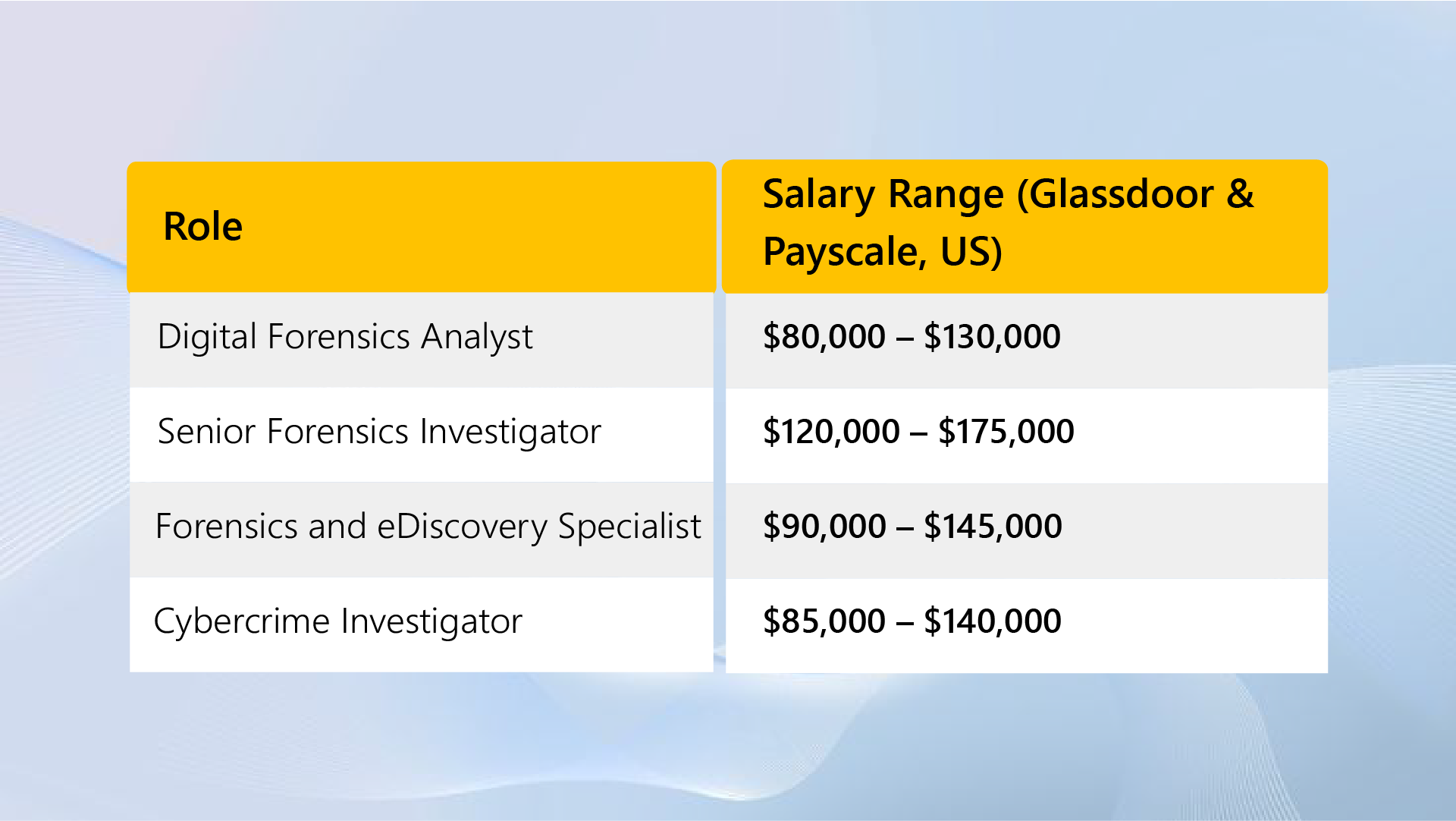
Roles and Salaries
Incident Response: Roles, Skills, and Salary
Incident response professionals contain and manage active threats when security incidents occur. The role spans technical investigation, containment execution, and stakeholder communication under pressure. With 83% of organizations reporting an increase in cyberattacks over the past 12 months, according to KPMG's 2026 Cybersecurity and Technology Risk Survey, investment in response capability has become a board-level priority across industries.
What the role involves:
- Triaging and investigating active security incidents.
- Containing and eradicating threats across affected systems.
- Coordinating response across technical and business teams.
- Leading post-incident reviews and building response playbooks.
- Communicating clearly with non-technical stakeholders under pressure.
Key skills include:
- SIEM and EDR platform proficiency,
- Threat hunting and malware analysis.
- Incident containment and eradication procedures.
- Communication under pressure with non-technical stakeholders.
- Post-incident reporting and root cause analysis.
Roles and Salaries
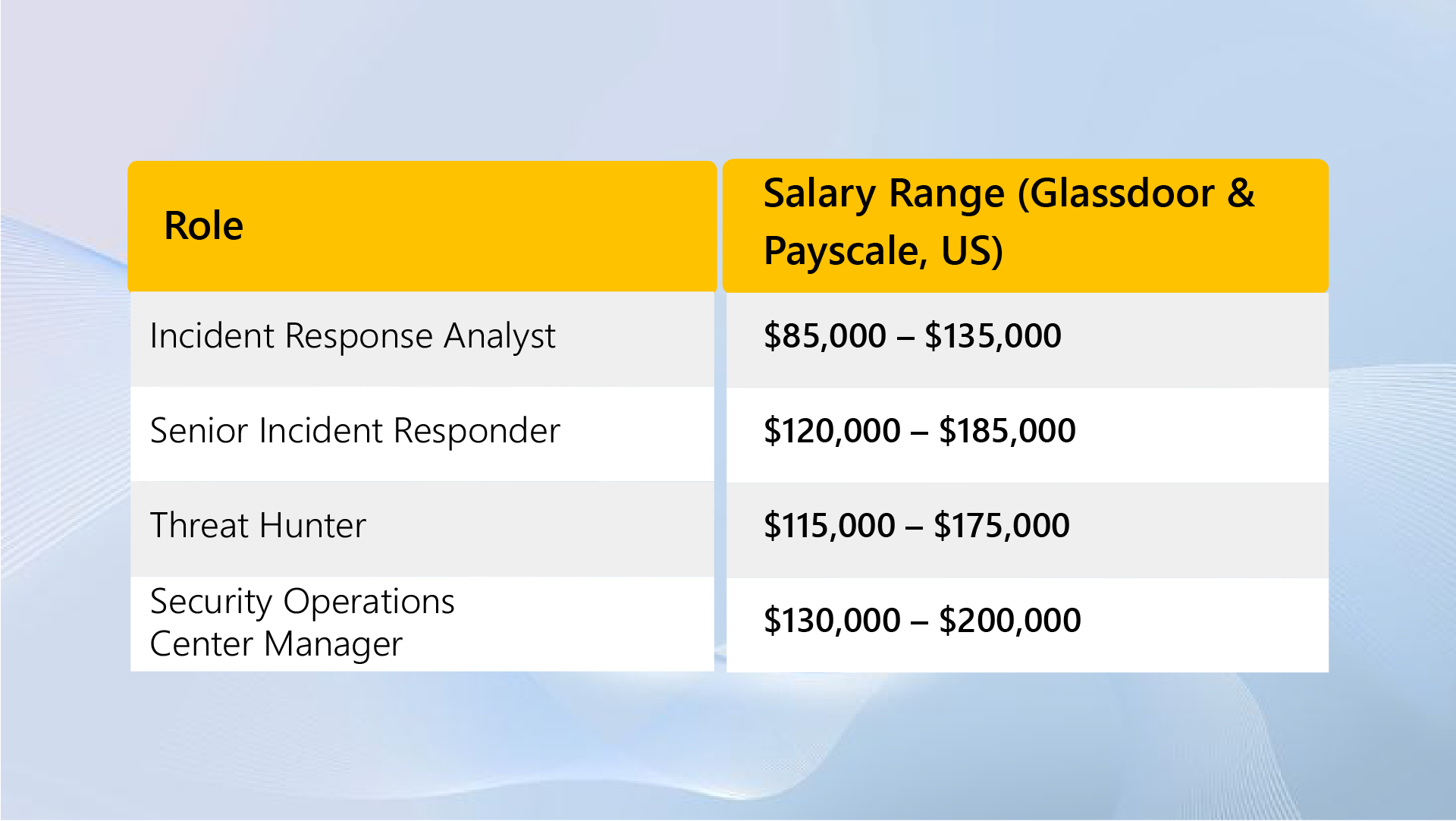
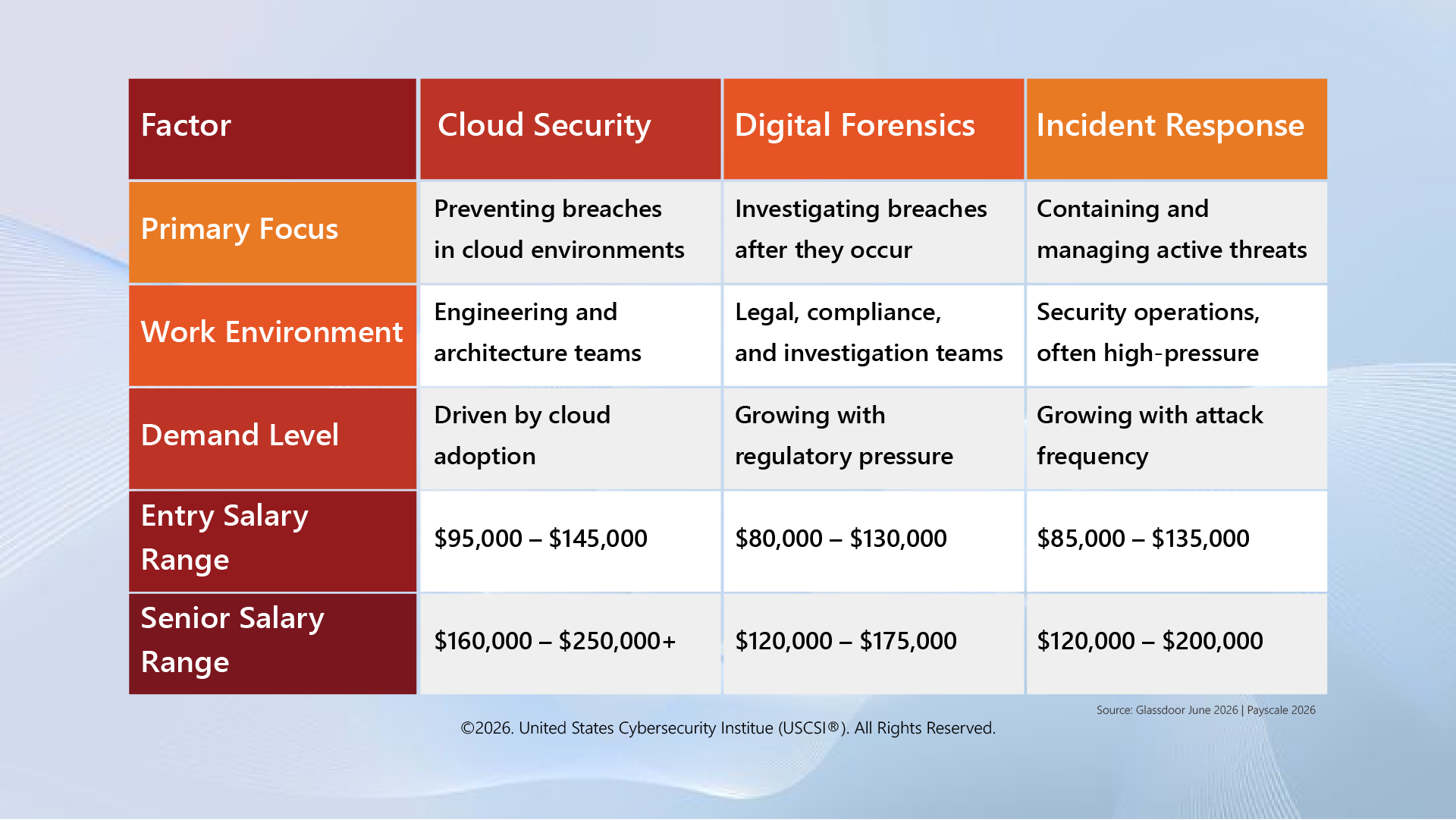
Quick Comparison: Cloud Security vs Digital Forensics vs Incident Response
A comparison across demand, salary, and career fit to help make the right choice in 2026.
If you are coming from a different industry and considering a move into one of these specializations, The 2026 Cybersecurity Career Switch Playbook by USCSI® maps out the roles, skills, and step-by-step pathways to get started with confidence.
Build Your Cybersecurity Career with USCSI® Certifications
USCSI® vendor-neutral certifications are built for professionals ready to enter, advance, or specialize within cybersecurity at every career stage.
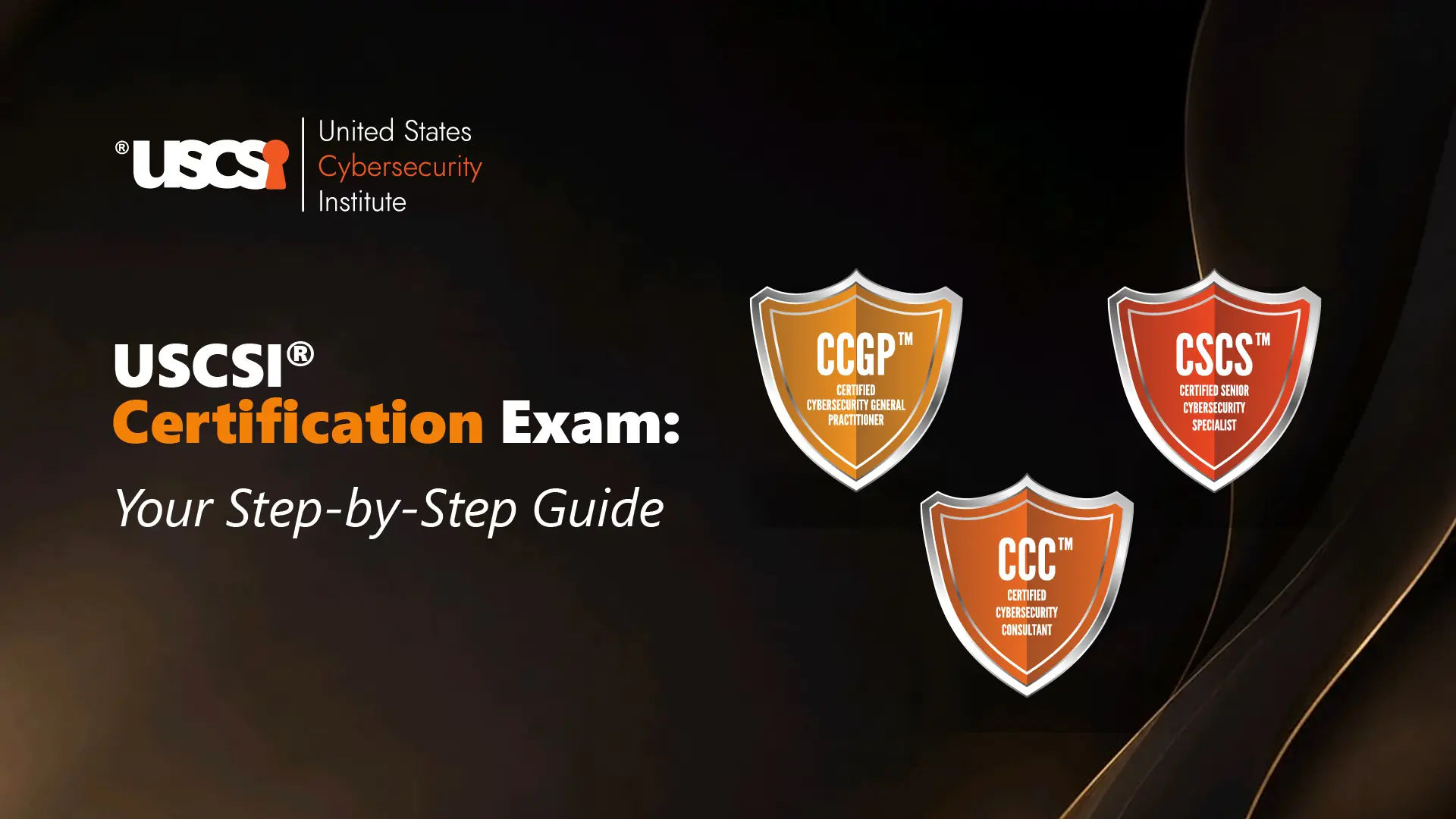
Certified Cybersecurity General Practitioner (CCGP™)
The foundational credential for professionals entering cybersecurity for the first time. No prior experience required.
Certified Cybersecurity Consultant (CCC™)
A mid-level credential covering cryptographic techniques, security architecture, machine learning, and fraud analysis for professionals moving into consulting and advisory roles.
Certified Senior Cybersecurity Specialist (CSCS™)
An advanced credential for senior professionals covering security leadership, AI security evaluation, CISO responsibilities, and strategic risk mitigation.
Explore How to Get USCSI® Certified: A Step-by-Step Guide. Everything you need to know about the USCSI® certification process, from eligibility to earning your credential.
How to Choose the Right Path for Your Career
Cloud security, digital forensics, and incident response each serve a distinct function within the security organization, and all three represent strong career choices in 2026. The specialization that delivers the strongest long-term return is the one that aligns with how you naturally approach problems.
- Cloud security suits professionals who prefer proactive, architecture-driven work with a strong foundation in cloud platforms.
- Digital forensics fits those with investigative instincts, analytical discipline, and comfort working within legal and compliance frameworks.
- Incident response is built for professionals who perform well under pressure and want to be at the center of an organization's defense when it matters most.
Whichever path you choose, the professionals who build verified, specialized cybersecurity skills in 2026 are the ones organizations will rely on most as the threat landscape continues to evolve.
FAQs
Can I switch into cybersecurity from a non-technical background?
Yes. Roles in compliance, incident coordination, and forensics documentation are accessible to professionals from legal, operations, and project management backgrounds.
What industries hire the most digital forensics professionals?
Financial services, government, healthcare, law enforcement, and legal services are the largest employers, driven by regulatory requirements and litigation support needs.
What programming languages are most useful across all three specializations?
Python is the most broadly applicable. SQL is valuable for forensics and IR. Bash and PowerShell scripting are essential for incident response and cloud security automation.