The Step-by-Step Path to Learning Information Technology
Information technology (IT) is an engine of almost all organizations in the contemporary world, both in systems administration and securing key information. For those seeking to learn information technology and build a career, a structured approach is essential.
IT investment on a global scale is increasing tremendously: Gartner projects that the global IT expenditure will reach more than $6 trillion in 2026, and this increase is due to cloud, analytics, and cybersecurity. Meanwhile, the World Economic Forum forecasts 170 million net positions by 2030, with technical skills, particularly in the areas of cybersecurity, artificial intelligence, and data, being the most rapidly expanding needs.
This blog provides a clear road to building IT skills, attaining practical experience, and developing a career orientation, which includes a professional cybersecurity certification for career growth.
Step 1: Understand What Information Technology Encompasses
Information technology is defined as the use of computer systems, networks, software, and infrastructure to process, store, relay, and safeguard information. IT is wide and encompasses areas like
- Systems administration
- Networking
- Cloud infrastructure
- Data management
- Cybersecurity
- OT and IT cybersecurity
The knowledge of these main areas can help you know what you may be interested in and what you may specialize in in the future.
Step 2: Choose a Foundational Educational Pathway
Most of the professionals start with formal education to establish strong foundations:
Bachelor or Diploma Degree in Information Technology or Computer Science.
An organized education program offers theoretical understanding, laboratory training, and exposure to various fields in IT. The common coursework can cover programming, networking, operating systems, databases, and an overview of cybersecurity.
Higher education in the field also offers internships or industry projects, which are useful to gain early practical experience and get ready for your first professional job.
Step 3: Develop Core IT Skills
Despite your formal track of education, it is necessary to acquire the appropriate practical skills:
- Network troubleshooting and network setup.
- operating systems (Windows and Linux) administration.
- Cloud services and platforms.
- Database fundamentals
- Cybersecurity basics and risk evaluation.
Besides technical competencies, analytical thinking, communication, and problem-solving capabilities enhance your employability and performance in the field of IT in the real world.
Also Read: Top IT Skillset That Will Dominate in 2026
Step 4: Strengthen Your Cybersecurity Know-How
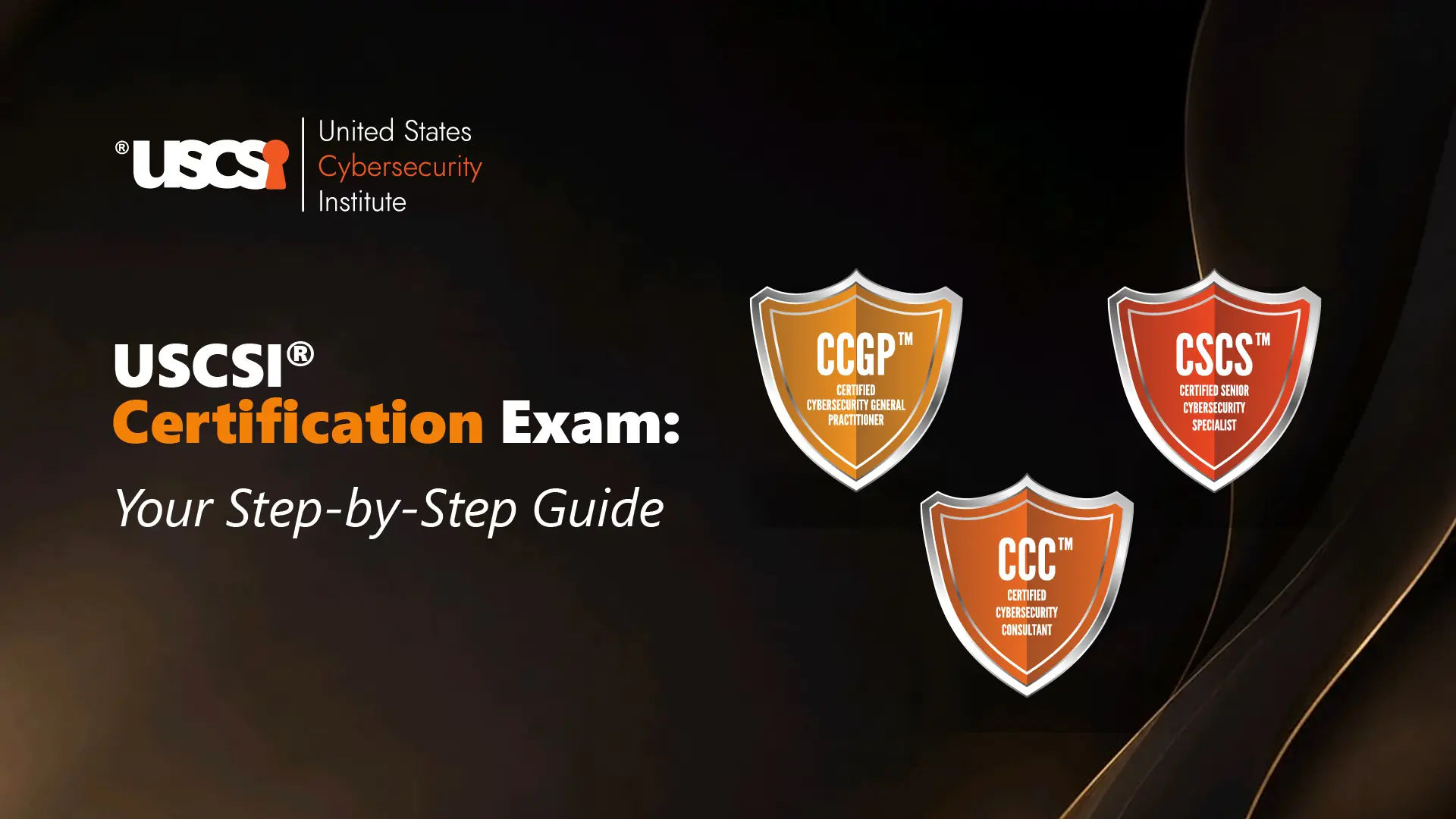
Every IT specialist needs to be aware of cybersecurity. The Certified Cybersecurity General Practitioner (CCGP™) offered by USCSI® helps you build practical skills in areas such as network and device security, threat mitigation, privacy protection, and secure software use.
Get practical experience, expand your IT knowledge, and obtain a globally recognised cybersecurity certification. To improve your cybersecurity skills and further your IT career.
Step 5: Gain Practical Experience
Practical experience is critical to applying your academic knowledge and technical skills. It can be achieved through:
- Internships: Set up corporate networks, maintain servers, and help in the monitoring of SOC.
- University projects/labs: Build virtual networks, cloud deployments, and simulate artificial security failures.
- Part-time or freelance role: Install Wi-Fi, firewalls, backups, and troubleshoot minor IT problems of the business.
- Open-source contributions: Work together on GitHub projects, scripts, or maintain tools.
- Hackathons/competitions: Participate in a cybersecurity challenge or a coding contest.
- Volunteer IT assistance: Assist non-profits in either installing IT infrastructure or cybersecurity measures.
Real-life experience will help you learn faster, build your portfolio, and make your resume remarkable.
Step 6: Understand Career Paths and Salary Insights
When you are acquiring IT skills, it is easy to know the jobs that you can take and the salaries that you may get. The list below shows some of the typical information technology jobs and their estimated salary range in US dollars (USD):
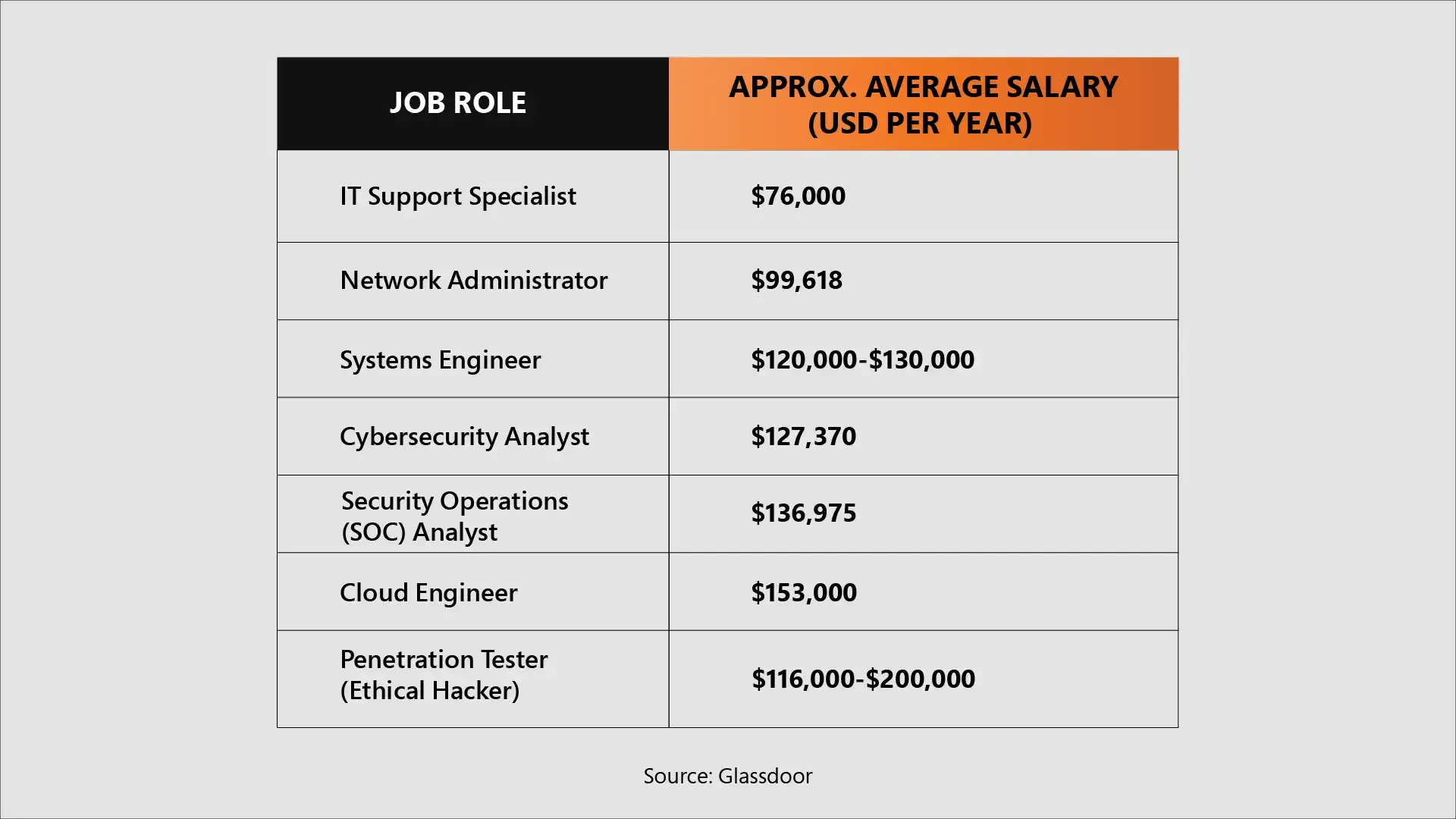
These are estimates by Glassdoor and depend on the region, experience, and employer. Positions that concern cybersecurity are better placed in high demand, especially with rising digital threats faced by organizations.
Step 7: Build a Professional Portfolio and Broaden Your Skills
A strong professional portfolio gives you an edge in the job market. Include certain projects that include:
- Network configurations and designs.
- Security tests and protection strategies.
- Automation scripts or deployments to the cloud.
- System integration or management processes.
Additionally, continue to expand your knowledge in areas such as cybersecurity trends, automation tools, and emerging technologies (e.g., cloud security, AI integration) to remain competitive in a rapidly evolving environment.
Step 8: Cultivate Soft Skills and Industry Awareness
In addition to technical knowledge, employers are looking for:
- Communication and teamwork
- Project management
- Reporting and documentation of risk.
- Cross-functional collaboration
These are especially critical when IT systems become increasingly integrated with business operations, such as compliance, operations, and strategy.
Conclusion
The world of information technology is constantly changing, creating opportunities for those who are willing to learn and innovate. By developing foundational knowledge, delving into specialization, and acquiring practical experience, a future professional will be able to align with the demands of the future as the world undergoes a digital transformation.
The investment in practical skills and cybersecurity training programs leads to opportunities to get high-growth jobs, ensuring not only career advancement but also the ability to shape the technological landscape of tomorrow.
FAQs
Can I transition into IT from a non-technical background?
Yes, starting with foundational IT skills and structured training allows professionals from other fields to successfully enter IT.
Are IT skills learned today likely to remain relevant in the next 5–10 years?
Core IT skills like networking, cloud, and cybersecurity fundamentals remain relevant, though continuous learning is essential to keep up with technology changes.
How can I stay updated with emerging IT trends?
Following industry reports, webinars, tech blogs, and professional communities helps maintain current knowledge in IT.